
PRACTICE + SCIENCE / PRODUCT REFERENCE
Omnipaque™ 180, 240 and 300What the Iodine Concentration Means
Read the iodine concentration, iohexol content and package size separately.
At a glance
What to verify first
- Omnipaque™ 180, 240 and 300 identify iodine concentration in mg iodine/mL. For Omnipaque™ 300, each mL contains 647 mg iohexol, providing 300 mg iodine. The numbers describe different substance bases within the same formulation; they do not select a route or dose. [1]
Omnipaque™ 180, 240 and 300 identify iodine concentration in mg iodine/mL. For Omnipaque™ 300, each mL contains 647 mg iohexol, providing 300 mg iodine. The numbers describe different substance bases within the same formulation; they do not select a route or dose. [1]
Field comparison simulation
Omnipaque™ 300 / one formulation
Iodine concentration
300 mg iodine/mL
Iohexol content
647 mg iohexol/mL
AI-created fictional administrative scene. Native field simulation: two substance bases within one formulation; no route or dose selection.
A short product request and a composition field can appear inconsistent when their substance names are omitted. Keep those names attached while comparing the entries.
For the office team, the useful distinction is between interpreting a concentration and identifying the package being requested. Resolve the substance basis first, then verify the presentation. Completing one check does not complete the other.
Keep iodine and iohexol attached to their values
A number copied into a field takes on the meaning of that field. If the field is headed "iodine concentration," its unit must retain iodine. If the field is headed "iohexol content," the recorded amount must retain iohexol. Removing the substance name can turn an otherwise accurate transcription into an apparent strength change.
Read the two substance fields together
Selected box of ten 10 mL single-dose glass vials
Record comparison simulation / original source photographs
Omnipaque™ 180: 388 mg iohexol/mL provides 180 mg iodine/mL. Selected sale-package NDC: 0407-1411-10. 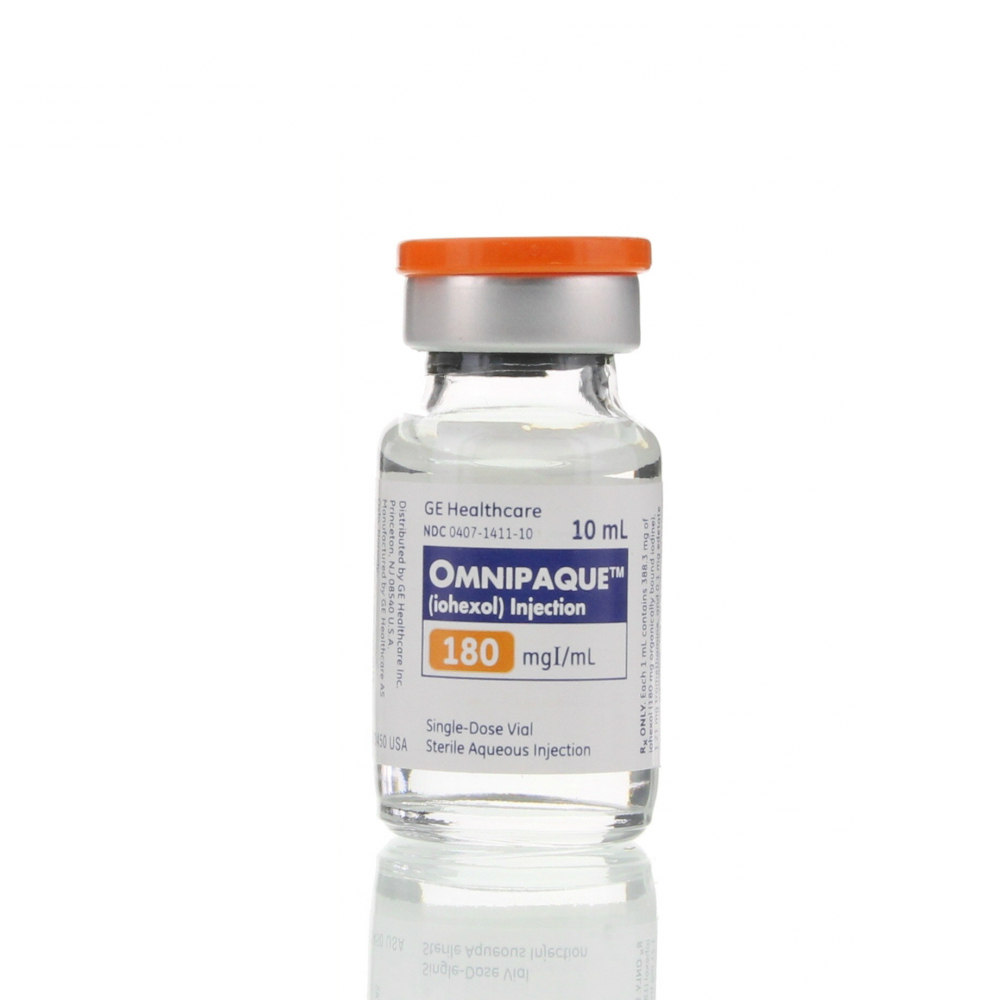 | Omnipaque™ 240: 518 mg iohexol/mL provides 240 mg iodine/mL. Selected sale-package NDC: 0407-1412-10. 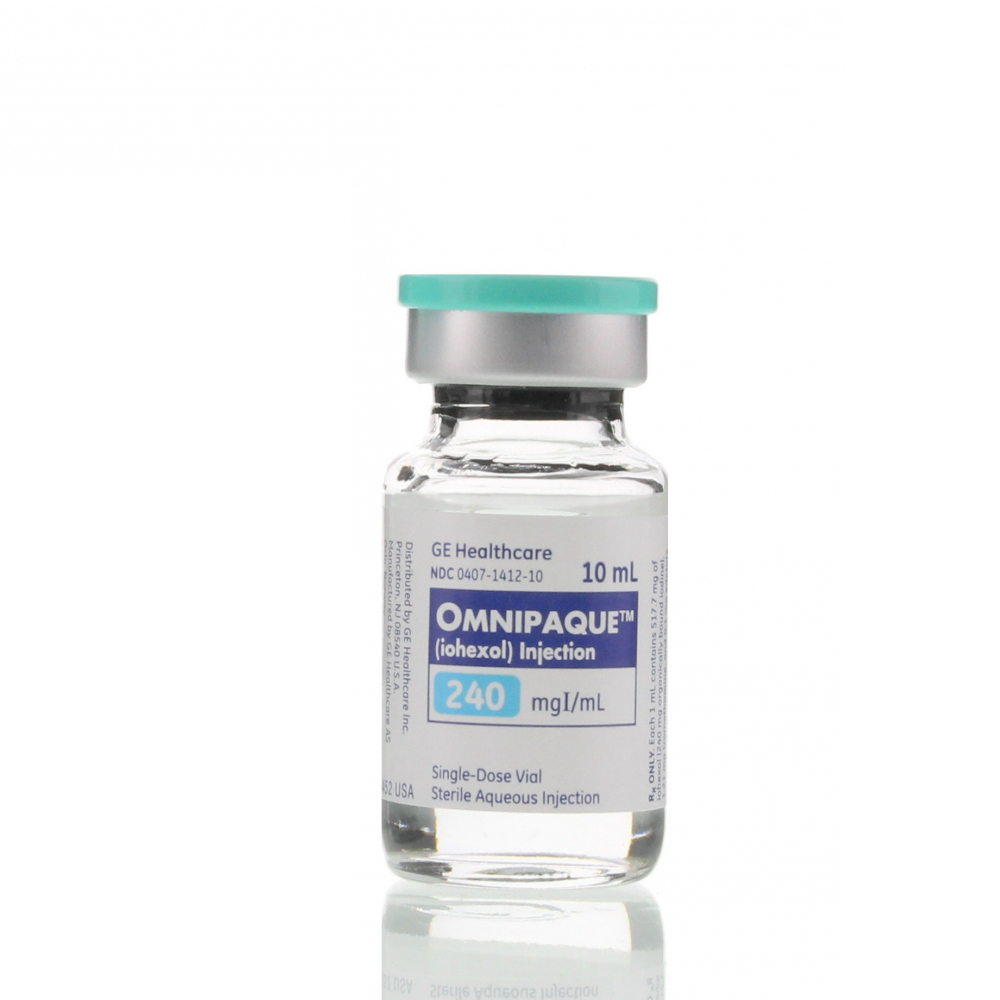 | Omnipaque™ 300: 647 mg iohexol/mL provides 300 mg iodine/mL. Selected sale-package NDC: 0407-1413-10. 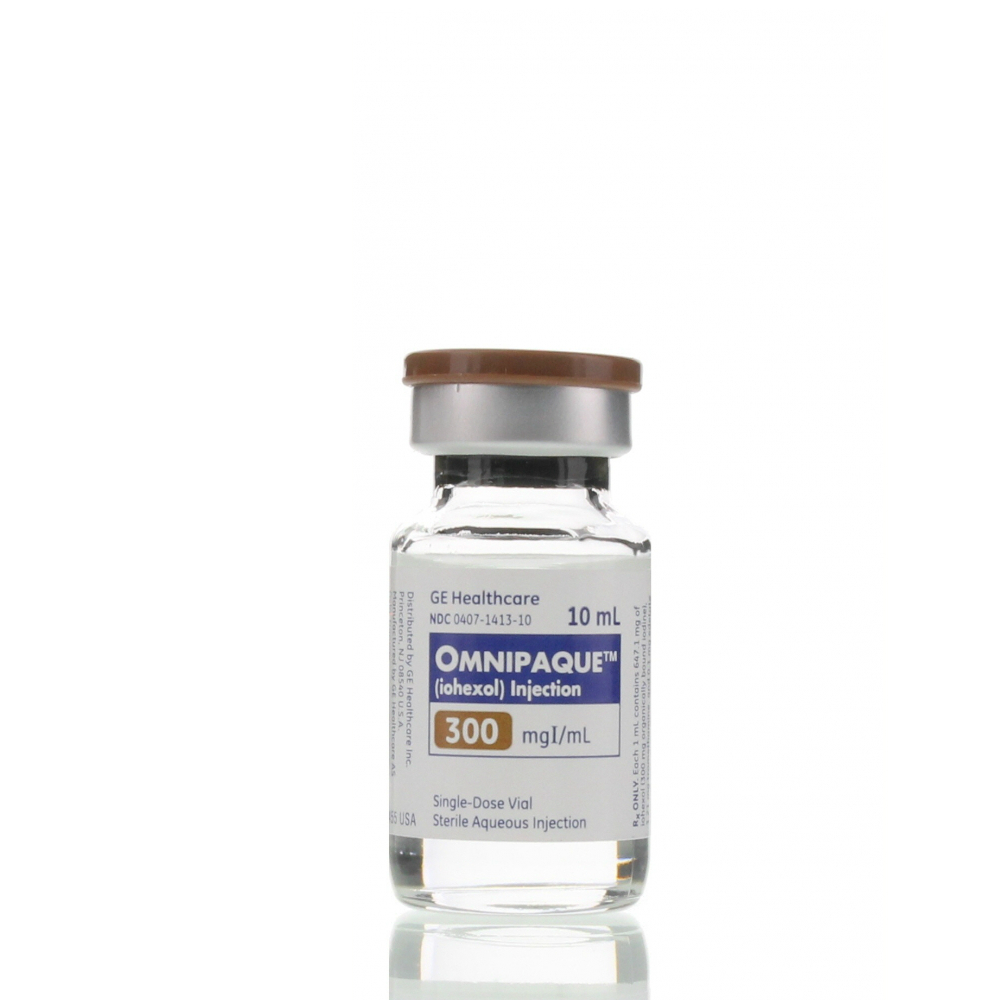 |
Identity reference only; no route or dose selection. Composition: [1] Package records: [2]
Match composition and package records
Use the composition and presentation sections for their separate purposes. The cited packaging record does not provide a separate immediate-vial NDC. Match the actual vial number against its record; do not derive it from the box code. Bulk-package material does not establish these 10 mL vials' identity or route. [2] [1]
PRACTICE + SCIENCE / VISUAL REFERENCE
Keep substance names attached.
Iodine concentrationIohexol contentVerify presentation separately
Conceptual artwork created with AI. Three generic sealed vials beside a blank reference card. Product identity and instructions come from the cited sources, not this illustration.
A worked correction that preserves the request
Consider a hypothetical approved request for Omnipaque™ 300 in the selected 10 mL presentation. While checking the label, a staff member encounters the iohexol amount and proposes changing the iodine-strength field to match that larger number. The correction needed is to the field interpretation, not to the approved product.
Hypothetical office-record simulation
A clear resulting record reads: "Omnipaque™; iodine concentration 300 mg/mL; composition reference 647 mg iohexol/mL; 10 mL single-dose glass vials; sale-package NDC 0407-1413-10; box of 10." The iodine and iohexol entries remain explicitly labeled. [1] [2]
Omnipaque™ 300
One formulation
Iodine concentration
300 mg iodine/mL
Iohexol content
647 mg iohexol/mL
Two substance bases within the same formulation
This hypothetical entry resolves two different sources of confusion. It keeps composition from being mistaken for a competing concentration, and it keeps the package identifier tied to the actual presentation. It does not infer an immediate-vial code from the box code or supply a clinical instruction.
If the original request lacks the concentration or presentation, the office has a different problem: an incomplete specification. Return that question to the clinician responsible for the request. A source can explain a field that is present; it cannot decide which missing specification the clinician intended.
Native relationship diagram. Composition fields retain their named substance bases; presentation, route and dose remain separate questions.
Clint product reference
Compare the already approved specification with the selected listings in Clint's Contrast Imaging category. Preserve iodine concentration, vial volume and exact package NDC together, and confirm the current purchasing unit and availability before ordering. [3]
Sources and scope
- GE Omnipaque™ label. Section 11 and presentation scope. Revised April 2026; DailyMed updated April 7, 2026.
- Omnipaque™ multi-presentation DailyMed packaging record. GE Healthcare Inc.; sections 11 and 16; selected 10 mL packaging. Revised April 2026; header updated April 7, 2026.
- Clint Contrast Imaging category. Product navigation for the three matched 10 mL listings; not a source of route selection or proof of stock.
Sources rechecked October 5, 2026. This professional reference concerns product identification and office records. Product-specific labeling and the responsible practice team govern clinical and handling decisions.
Office-field simulation
Keep substance names attached
Iodine concentration
Iohexol content
Verify presentation separately
Vial volume / sale-package NDC
Native office-field simulation. Composition and package identity are separate record checks.